- More than 18 million veterans live in the United States today, and needs like housing instability and mental health care remain significant even as some measures, like homelessness, have improved.
Read full summary ▾
- Choosing where to donate comes down to two things: which cause area matters most personally, and how an organization holds up against independent evaluators like Charity Navigator, CharityWatch, the BBB Wise Giving Alliance, and Candid.
- VFW National Home takes the most holistic approach on this list, combining housing, education, and case management into one phased program for the whole family, and it holds a 4-star Charity Navigator rating along with BBB Accredited Charity status.
- Alongside VFW National Home, this guide covers eight other well-rated organizations addressing everything from mental health and employment to grief support and disaster response.
This guide breaks down what makes VFW National Home’s on-campus program distinct among veteran-serving organizations, the specific criteria independent evaluators use to judge a charity’s trustworthiness, and a vetted list of nine veterans organizations to support and donate to.
Thousands of nonprofits serve and support veterans in the United States, and this guide is here to make choosing which one to donate to a little easier. It covers what to look for in a well-run organization, the scope of challenges veterans face today, and a research-based list of national organizations worth considering – starting with the criteria and ending with specific organization names.
We’ll discuss the following:
- Why is veteran support important?
- Different types of veteran organizations
- How to choose a veteran organization to support
- The best veterans organizations to donate to
- From crisis to stability, all in one place
- Frequently asked questions
Since 1925, VFW National Home has helped veterans, service members, and their families build lasting stability. Your gift supports the whole family through case management, childcare, and a phased path toward independence.
Donate TodayWhy is veteran support important?
More than 18 million veterans live in the United States today, a population that has been shrinking for decades as older service members age out. Despite that decline, the needs veterans face have not shrunk at the same pace, and some have grown more concentrated among younger, post-9/11 veterans carrying complex combat-related conditions.
Housing instability persists nationwide
At its peak in 2010, more than 74,000 veterans experienced homelessness on a single night. Since then, sustained investment from the VA, HUD, and nonprofit housing programs has driven progress: the Department of Housing and Urban Development’s January 2025 Point-in-Time count found 32,495 veterans experiencing homelessness, a record low and a 56 percent decline since that peak.
Despite those gains, there is still more work to do. The rate of decline has slowed sharply, falling only about 1 percent from 2024 to 2025, and half of all states actually saw veteran homelessness increase during that same period.
The mental health treatment gap is wider still
Federal data from the Substance Abuse and Mental Health Services Administration found that more than half of veterans living with a mental illness did not receive treatment, based on 2020 figures. The gap is driven by a mix of stigma, distrust of the VA system, and simple lack of access, particularly in rural areas.
Transitioning to civilian life brings its own challenges
Veteran unemployment has historically run below the national average, but that gap narrowed in 2025, with the annual veteran unemployment rate climbing from 3.0 percent to 3.5 percent, according to the Bureau of Labor Statistics.
The official number likely understates the real challenge, too. A 2025 analysis found a functional unemployment rate for veterans of 18.2 percent – more than four times the Bureau of Labor Statistics’ own quarterly figure for the same period, once involuntary part-time work and underemployment are factored in.
Housing, mental health, and the transition back into civilian work are just some of the areas where veterans need support. Benefits claims, grief, and simple isolation after service all create separate needs. Some organizations specialize in one of these; others work across several.
The next section lays out these categories in more detail.
Different types of veteran organizations
Veterans organizations can have very different missions, even when they share the same goal of supporting those who served. Most national organizations focus on one or two specific areas. We’ll break those areas down here and use them to show what each organization in this guide focuses on in the next section.
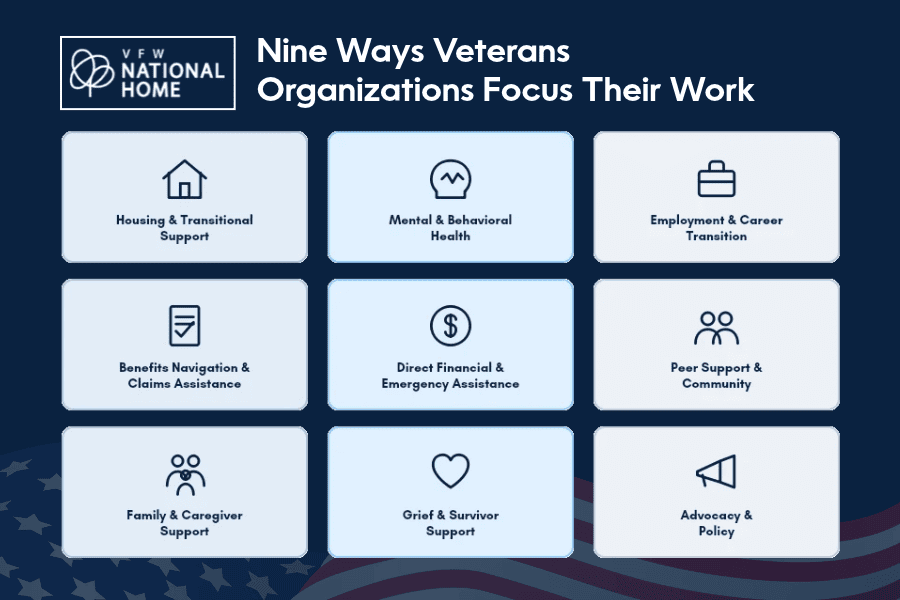
- Housing & Transitional Support: Organizations focused on stable housing, from short-term lodging near medical care to long-term transitional programs.
- Mental & Behavioral Health: Organizations providing counseling, crisis intervention, or treatment referrals, often filling gaps left by VA capacity and wait times.
- Employment & Career Transition: Organizations helping veterans and military spouses translate service experience into civilian careers.
- Benefits Navigation & Claims Assistance: Organizations that help veterans file and appeal VA disability claims, since many eligible veterans never apply or receive an accurate rating.
- Direct Financial & Emergency Assistance: Organizations providing short-term grants for veterans facing an immediate crisis, such as an unpaid utility bill or urgent medical cost.
- Peer Support & Community: Organizations built around shared activity, connection, or continued service as a way to reduce isolation.
- Family & Caregiver Support: Organizations serving military spouses, children, and caregivers directly, not only the service member or veteran.
- Grief & Survivor Support: Organizations serving the families of service members who died in or as a result of military service.
- Advocacy & Policy: Organizations focused on legislative advocacy and systemic change rather than direct service delivery.
These categories are a starting point for narrowing down what matters most to a donor.
How to choose a veteran organization to support
Where you donate matters, but so does knowing what you want your donation to accomplish. Before choosing a veterans organization, consider the type of support you care about most and how the organization puts donor dollars to work.
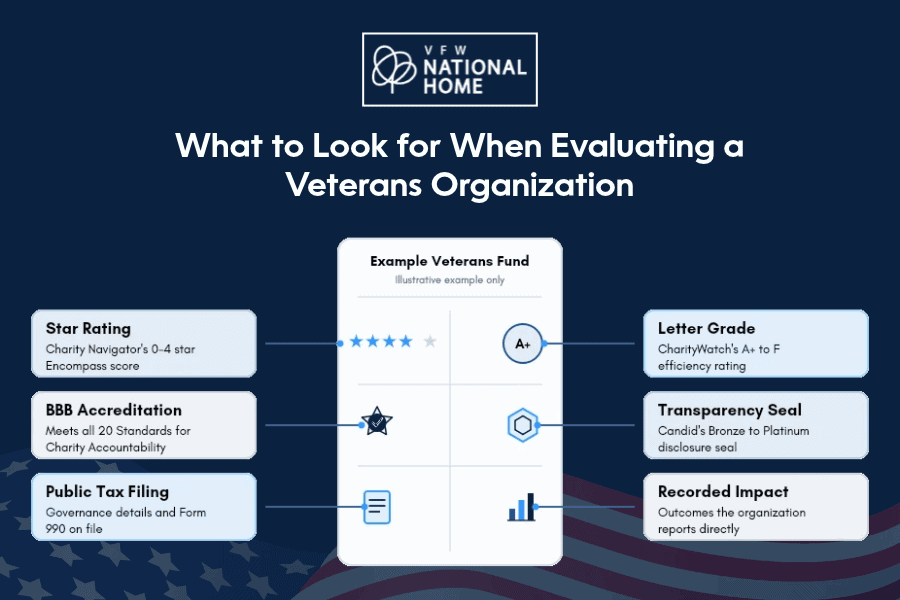
Third-party charity rating tools can help you evaluate not just a nonprofit’s mission, but their actual impact and how responsibly they handle their financials. Nonprofits typically submit to these tools voluntarily, so if an organization is not on every platform, that doesn’t necessarily signal a lack of transparency or efficacy; it may just mean no one has ever asked them to be added to the platform. It can be helpful to compare multiple scoring rubrics when deciding where to give.
Some examples of third-party charity evaluation tools include:
Charity Navigator’s Encompass Rating
Charity Navigator evaluates organizations across four areas, or “beacons”:
- Accountability & Finance
- Impact & Measurement
- Leadership & Adaptability
- Culture & Community.
The Accountability & Finance beacon looks at areas such as financial health, efficiency, accountability, transparency, and governance. Charity Navigator combines the available beacon scores into an overall 0–100 rating, which corresponds to a zero- to four-star rating. Not every organization is evaluated across all four beacons, so the overall score may be based on only some of them. That makes it worth looking beyond the star rating and reviewing the individual beacon scores on a charity’s profile.
CharityWatch’s letter grade
CharityWatch takes a narrower, more manual approach. Its analysts reprocess a charity’s audited financial statements and IRS filings directly rather than relying on self-reported numbers, then calculate two figures:
- Program %, the share of expenses spent on programs
- Cost to Raise $100, what it costs the charity to bring in each $100 in donations
These two calculations produce a letter grade from A+ to F. Since CharityWatch reclassifies costs some charities count as program spending, most notably direct mail and telemarketing that blend fundraising with education, its grades can run lower than a charity’s Charity Navigator score for the same year.
BBB Wise Giving Alliance’s 20 standards
The BBB evaluates charities against 20 Standards for Charity Accountability covering governance, effectiveness reporting, financial use, and fundraising practices, on a pass-fail basis.
Two of those twenty standards set specific financial thresholds: spending at least 65 percent of total expenses on programs, and no more than 35 percent of related contributions on fundraising. A charity that meets all 20 standards becomes BBB Accredited, which is a binary designation rather than a graded score.
Candid’s Seal of Transparency
Candid does not rate organizations. It awards Bronze, Silver, Gold, or Platinum seals based on how much detail a charity voluntarily discloses about its finances, leadership, and goals, with Platinum requiring published outcome metrics.
A seal signals openness rather than performance. That said, an organization can be highly effective without a Platinum seal if it simply has not built out its Candid profile.
Governance and public financial records
Independent of any rating agency, most 501(c)(3)s file an annual information return with the IRS, typically Form 990, which is a public record of finances, executive compensation, and board structure. Smaller organizations may file a shorter version, and churches are generally exempt from filing at all.
An independent board, audited financials available on request, and an accessible 990 are baseline signs that people outside the organization – not just its own staff and leadership – can see how it spends money and makes decisions.
Recorded impact, not just activity
A rating built on financial ratios shows how a dollar is spent, but not necessarily what it accomplished. This is the gap Charity Navigator’s own Impact & Measurement beacon tries to close, though that beacon only scores organizations with enough impact data on file, whether self-reported or externally verified.
Looking directly at what an organization publishes on their website or social media, like families housed and how long they stayed housed, veterans placed in jobs and retained, claims filed and approved, rather than counts of people served or events held, fills in what the ratings alone can miss.
First-hand accounts and testimonials
These carry real weight but are the weakest signal used alone, since an organization selects which stories it publishes. They are most useful as a gut check against everything above: a testimonial that lines up with what the ratings and impact reporting already show is a good sign, while praise unsupported by anything else should not outweigh the rest.
The best veterans organizations to donate to
Keeping that criteria in mind, here are nine organizations doing real work for veterans and their families. Each one holds up well across independent ratings, financial transparency, and recorded outcomes.
VFW National Home

Categories: Housing & Transitional Support, Family & Caregiver Support
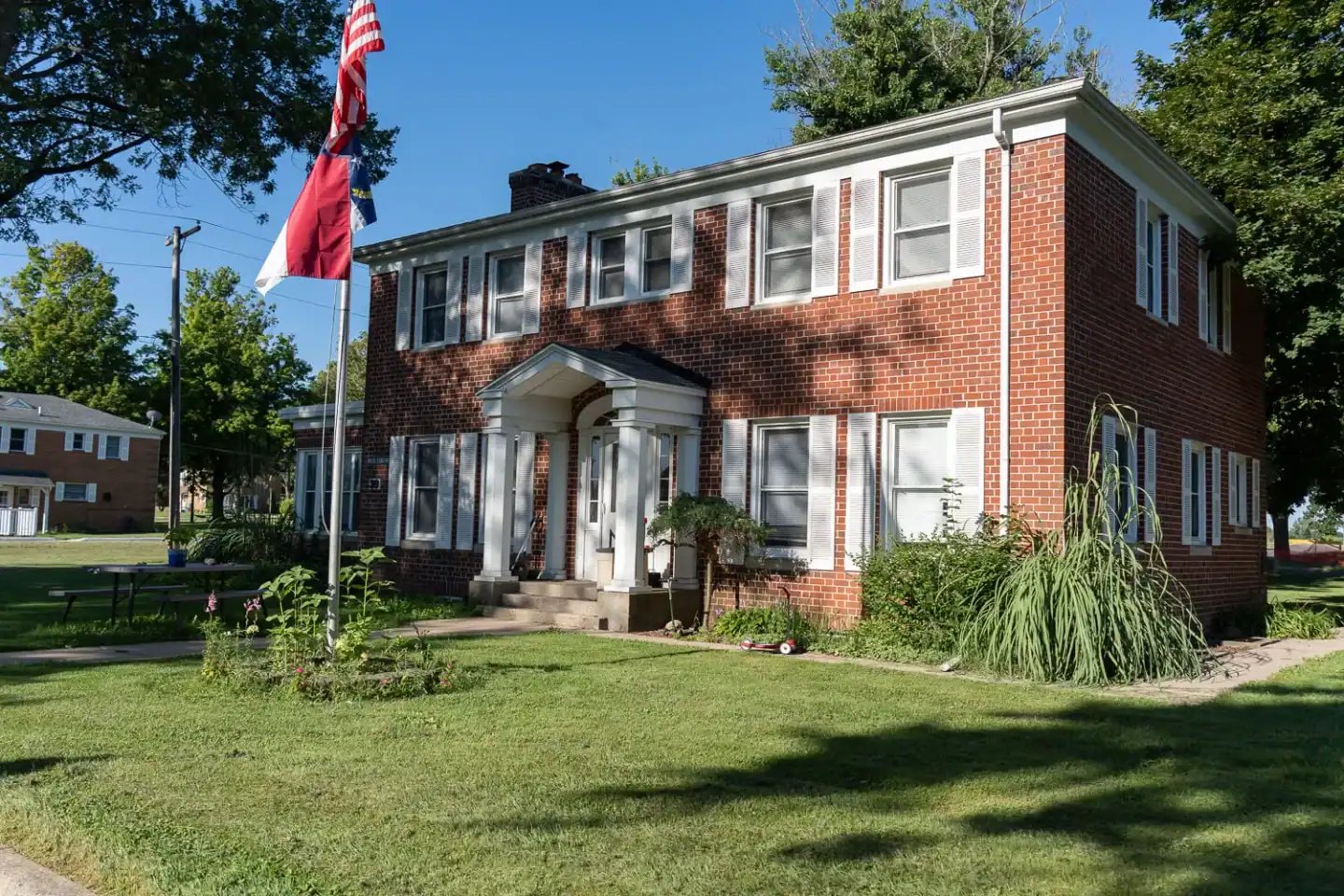
Mission: VFW National Home operates a phased, on-campus residential program in Eaton Rapids, Michigan, where veteran and military families live rent-free in fully furnished single-family homes for a defined, multi-year period while working with a dedicated case manager toward individualized goals and eventual independence.
The Red, White & Blue Program structures each family’s time on campus in three phases, from initial stabilization through a personalized transition plan for housing and employment:
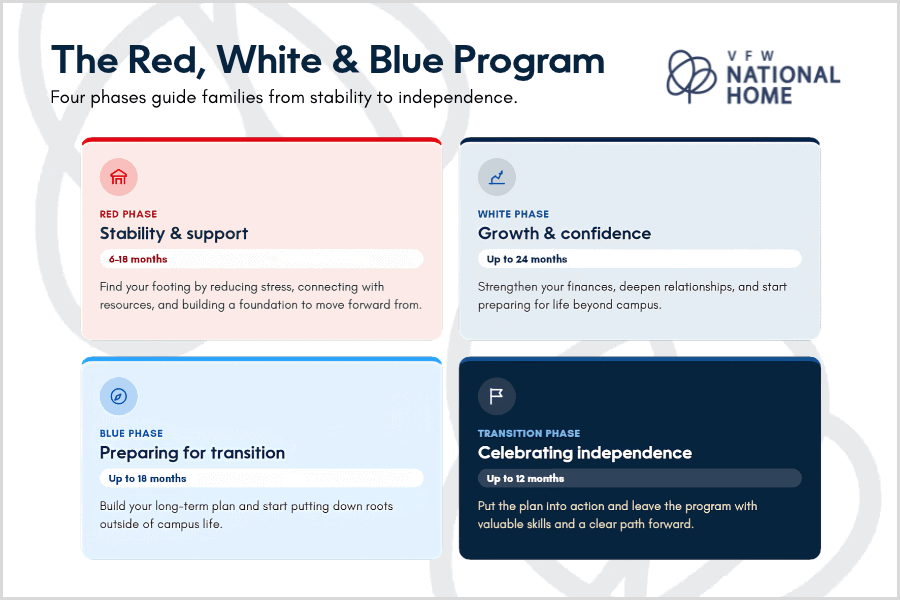
- Red Phase: Stability & Support (6 to 18 months): Families reduce stress, connect with resources, and build a foundation to move forward from.
- White Phase: Growth & Confidence (up to 24 months): Families strengthen their finances and deepen relationships while preparing for life beyond campus.
- Blue Phase: Preparing for Transition (up to 18 months): Families build a long-term plan and start putting down roots outside of campus life.
- Transition Phase: Celebrating Independence (up to 12 months): Families put that plan into action and leave the program with valuable skills and a clear path forward.
Free professional case management, on-site early education and school-age support, and academic and career development are integrated into every stage of the program. Rather than offering a temporary solution, the National Home helps families work toward long-term independence with a clear plan and a strong support system behind them.
For families not in the Michigan area, VFW National Home’s Nationwide Support Program extends VA benefits guidance, referrals, and advocacy across the country.
By the numbers: VFW National Home was founded on 472 acres of land gifted by a Detroit cattleman after a 23-year-old advocate named Amy Ross made it her mission to help unemployed veterans in the early 1920s. The campus welcomed its first family that same year, a widow and her six children who had lost their husband’s military pension. A century later, that original gift has grown into 42 single-family homes on campus, part of a residential model still built around the entire family, not just the veteran.
Best suited for: Donors who want to fund a complete family-support model, housing, education, and case management together, rather than a single service in isolation.
Fisher House Foundation

Categories: Housing & Transitional Support
Mission: Fisher House Foundation builds free “comfort homes” on or near major military and VA medical centers, then gives each one to the Department of Defense or VA to operate, a public-private model that has grown the network past 100 locations, including sites in Germany and the United Kingdom, since the first house opened in 1991.
Each house offers private suites alongside a shared kitchen, living room, and laundry area, letting families stay together, sometimes for months, while a service member or veteran receives treatment nearby, entirely free of charge.
Eligibility and length of stay are set locally by each medical center rather than by the Foundation itself, so a family’s specific situation determines what is available at a given house. The Foundation also runs the Hero Miles Program, which uses donated frequent flyer miles to fly families to a hospital when no nearby Fisher House exists.
By the numbers: The network of 100 Fisher Houses has served more than 534,000 families, saving them an estimated $650 million in lodging and travel costs.
Best suited for: Donors focused on housing support tied directly to medical treatment.
Tragedy Assistance Program for Survivors (TAPS)
Categories: Grief & Survivor Support
Mission: Tragedy Assistance Program for Survivors (TAPS) was founded in 1994 by Bonnie Carroll, two years after she lost her husband, Brigadier General Tom Carroll, and seven fellow soldiers in a military plane crash in Alaska. Carroll found her own path through grief by connecting with other families from that same crash, an experience that became the peer-based model TAPS still runs on today.
The organization pairs surviving families with trained peer mentors who have experienced a similar loss, staffs a 24/7 grief and information helpline, and runs Good Grief Camps for children alongside seminars and retreats for adults. Casework assistance helps survivors navigate benefits and connect with community resources during a period when paperwork can feel impossible to face alone.
TAPS covers a genuinely broad range of loss: any relationship to the deceased, any cause of death, combat, accident, illness, or suicide, and any point after a loved one’s passing, not just the immediate aftermath.
By the numbers: TAPS has supported more than 120,000 bereaved military and veteran survivors since 1994, with nearly 9,000 newly bereaved survivors connecting for care in 2024 alone.
Best suited for: Donors who want to support Gold Star families and survivors specifically, a distinct need from veterans still living.
Hope For The Warriors
Categories: Peer Support & Community, Family & Caregiver Support
Mission: Hope For The Warriors was founded in 2006 by military spouses Robin Kelleher and Shannon Maxwell at Marine Corps Base Camp Lejeune, after Maxwell’s husband returned from Iraq with a traumatic brain injury and the two women found few resources built for what their family was actually facing. What started as informal bedside visits for wounded Marines grew into a national nonprofit organized around six domains of well-being: physical, psychological, social, financial, spiritual, and family.
Concrete programs include:
- Above and Beyond, a peer-mentored career-readiness program covering resume writing and interview coaching
- Critical care coordination, which combines casework with financial support for combat-injured service members
- Family resilience services that help connect a veteran with inpatient PTSD or traumatic brain injury treatment when needed, along with travel assistance for the family.
Scholarships are also available for military spouses and caregivers pursuing their own education.
By the numbers: The organization has served more than 203,900 service members, veterans, and family members since 2006, with need for services growing 18 percent in 2025.
Best suited for: Donors interested in wellness and peer-connection programming alongside crisis assistance.
Follow the causes that matter to you
Get the latest updates on how you can support veterans and military families straight to your inbox!
Sign Up for the NewsletterUnited Service Organizations (USO)
Categories: Peer Support & Community, Family & Caregiver Support
Mission: United Service Organizations (USO) was established on February 4, 1941, when President Franklin D. Roosevelt asked six existing service organizations, including the Salvation Army, YMCA, and YWCA, to combine forces and support the morale of a rapidly growing military ahead of World War II.
Though congressionally chartered and closely associated with the military, USO has never been a government agency – it runs on private donations and volunteer support rather than public funding. That model has carried through more than eight decades of change, from WWII-era clubs offering dances and coffee to today’s network of more than 250 centers, including 24/7 airport lounges for troops in transit and centers embedded on forward operating bases in active combat zones.
Beyond entertainment tours built on a legacy that includes Bob Hope, USO also runs family readiness programs and transition assistance for service members leaving the military, extending its reach well past the years someone spends in uniform.
By the numbers: In 2025 alone, USO delivered more than 435,000 care packages to service members worldwide. That same year, participant surveys found 98 percent of service members felt welcomed, respected, and part of a supportive community through USO programs, and 89 percent said USO helped them feel a greater sense of purpose and direction.
Best suited for: Donors who want to support service members while still in uniform, not only after they leave the military.
National Veterans Foundation

Categories: Mental & Behavioral Health
Mission: National Veterans Foundation was founded in 1985 by Floyd “Shad” Meshad, a Vietnam War combat counselor who went on to help develop the PTSD treatment protocols still used at VA Vet Centers today. What began as an aid program specifically for Vietnam veterans expanded in 1992 to serve veterans of every era.
The organization’s signature program, Lifeline for Vets, is staffed entirely by veteran counselors rather than clinicians without a service background, a vet-to-vet model built on the idea that veterans in crisis respond better to someone who has actually been there. Counselors work from an extensive database of local, national, and government resources, connecting callers to everything from suicide-prevention support to VA benefits help, legal aid, and substance abuse treatment.
Beyond the hotline, National Veterans Foundation also runs street-level outreach missions in the Los Angeles area, identifying homeless veterans directly and connecting them to housing and support services.
By the numbers: The organization has helped more than 550,000 veterans and family members since 1985 through its helpline and outreach programs.
Best suited for: Donors who want to fund a direct crisis-response line rather than a longer-term program.
Hire Heroes USA
Categories: Employment & Career Transition
Mission: Hire Heroes USA was founded in 2005 by John Bardis, a healthcare executive who hired a veteran struggling to find work and then decided to address the problem at scale rather than one hire at a time.
The organization pairs veterans and military spouses with a dedicated transition specialist for one-on-one coaching, typically working with a client for 12 to 16 weeks, translating military experience into resume language a civilian hiring manager will actually understand, running mock interviews, and making direct employer introductions.
By the numbers: Clients report an average starting salary well above the national median, and the organization has helped more than 110,000 veterans and military spouses transition into civilian careers since its founding.
- 4/4 stars, Charity Navigator
- Platinum Seal, Candid
Best suited for: Donors who want to fund one-on-one coaching and individualized job placement support.
Hiring Our Heroes
Categories: Employment & Career Transition
Mission: Hiring Our Heroes, a program of the U.S. Chamber of Commerce Foundation, launched in March 2011 as a joint effort with the Department of Labor’s Veterans’ Employment and Training Service, responding to a veteran unemployment crisis that had pushed the rate for veterans under 25 above 30 percent.
Its first move involved 100 hiring fairs held across the country within the first year. The program has since evolved well past job fairs. Its flagship Corporate Fellowship Program is a 12-week placement authorized under the Department of Defense’s SkillBridge program, letting transitioning service members work inside a civilian company before they even leave active duty, with most participants receiving a job offer by the end. A newer Skills-Based Fellowship extends that same model to service members without a four-year degree.
Hiring Our Heroes has also built out programs specifically addressing military spouse unemployment, which has hovered near 22 percent for the past decade, driven largely by the frequent relocations military life requires. It is a distinct organization from Hire Heroes USA, listed above, despite the similar name.
By the numbers: The program served nearly 80,000 members of the military community in 2025.
How it’s rated: Hiring Our Heroes operates as a program of the U.S. Chamber of Commerce Foundation, which holds a 4/4-star Charity Navigator rating; donations support the Foundation directly rather than a separately rated entity.
Best suited for: Donors who want to fund large-scale employer partnerships and hiring events specifically, a different model from one-on-one coaching alone.
Team Rubicon
Categories: Peer Support & Community
Mission: Team Rubicon was founded in January 2010, days after a devastating earthquake struck Haiti, when Marine veteran Jake Wood called a major aid organization to volunteer and was told to donate instead and stay home.e. He called fellow Marine veteran William McNulty instead, and the two decided to go themselves. Four days later, a small team of veterans, firefighters, and medics crossed the border from the Dominican Republic into Haiti, treating thousands of survivors in the courtyard of Port-au-Prince’s largest hospital.
Volunteers still go by “Greyshirts,” a name that stuck after an early team grabbed matching shirts off a clearance rack before responding to a second earthquake in Chile weeks later. The model that emerged, pairing veterans’ logistics, medical, and leadership skills with disaster response, has since become the organization’s defining approach.
By the numbers: Since 2010, Team Rubicon has launched more than 1,100 operations and engaged more than 160,000 volunteers.
- 4/4 stars, Charity Navigator
- Top-Rated, CharityWatch
- Platinum Seal, Candid
Best suited for: Donors drawn to a model where veterans continue a mission of service by helping disaster survivors, rather than an organization providing direct veteran services.
From crisis to stability, all in one place
Most organizations on this list solve one part of the problem well: housing, or mental health, or a job search, each handled by a different specialist at a different point in a family’s timeline. VFW National Home is built differently.
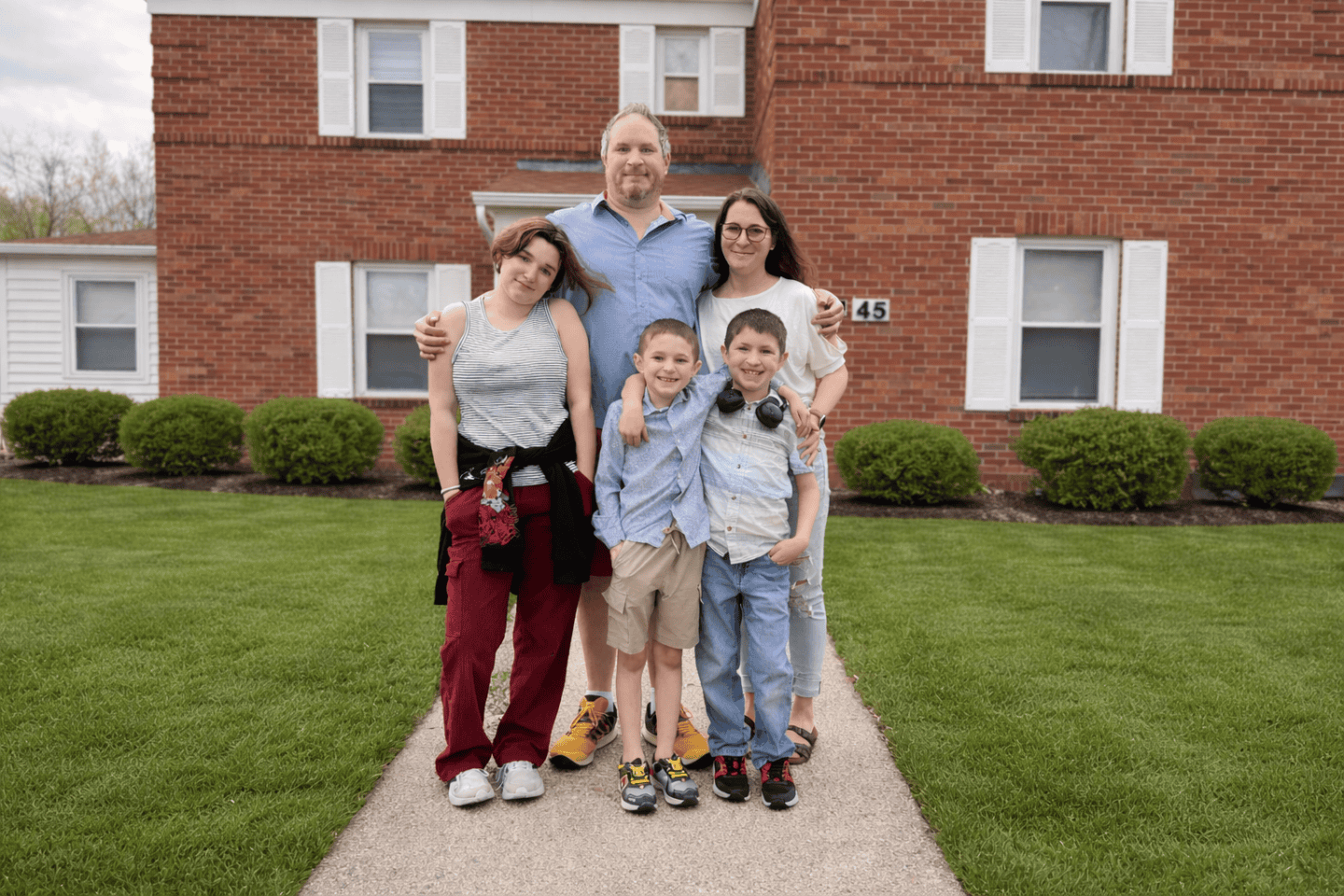
A family works with the same case manager and the same on-campus community from the day they arrive in crisis through the day they move into stable, independent housing, with the goals shifting along the way but the support never changing hands.
Giving to VFW National Home does not have to mean a single online donation, either. Other ways to give and provide support include:
- A one-time or recurring gift through the online donation portal, with the option to become a Home Front Hero monthly donor.
- Donating appreciated stock, which can reduce capital gains exposure while making a larger gift possible.
- A qualified charitable distribution from an IRA, available to donors age 70½ or older.
- Ordering a tribute brick placed on campus, a lasting way to honor a veteran, family member, or organization.
- Volunteering directly on campus, whether through a one-time group project like seasonal grounds clean-up or an ongoing commitment.
Whichever form a gift takes, it goes toward a model built to move families from immediate crisis to lasting stability, not just to cover a short-term need.
Help a military family build a stronger future
VFW National Home’s On-Campus and Nationwide Programs run on donor support. A gift helps a family move through the Red, White & Blue Program with the resources they need at every phase.
Frequently asked questions (FAQs)
What is the best veterans organization to donate to?
The best organization depends on what a donor wants to support. Someone focused on whole-family stability might look at VFW National Home, since its on-campus program is built around that kind of outcome.
Financial efficiency is also important: Charity Navigator currently scores VFW National Home at 96 out of 100, and the organization’s most recently published BBB Wise Giving Alliance report, covering fiscal year 2023, showed it meeting the Alliance’s standard of spending at least 65 percent of its budget on programs, with a fundraising cost of 22 cents per dollar raised, well under the Alliance’s 35 percent ceiling. Matching the cause to the organization’s actual focus matters more than picking a single best name.
How can I tell if a veterans charity is legitimate?
Legitimate charities register as 501(c)(3) organizations and publish financial reports. Charity evaluators like Charity Navigator and GuideStar rate program-expense ratios and transparency, which are useful starting points before giving.
What’s the difference between a veterans service organization and a veterans charity?
A veterans service organization, like DAV or VFW, typically focuses on advocacy and free claims assistance for individual veterans. A veterans charity may fund housing, mental health care, or family programs. Some organizations do both.
Can I support more than one veterans organization at the same time?
Yes. Many donors split contributions across organizations that address different needs, one for benefits assistance, another for family housing, for example, rather than concentrating support in a single place.
How is VFW National Home different from other veterans organizations?
VFW National Home supports the entire military family, not just the veteran, through a phased, multi-year, on-campus program focused on long-term stability rather than a single service like claims help or short-term lodging.