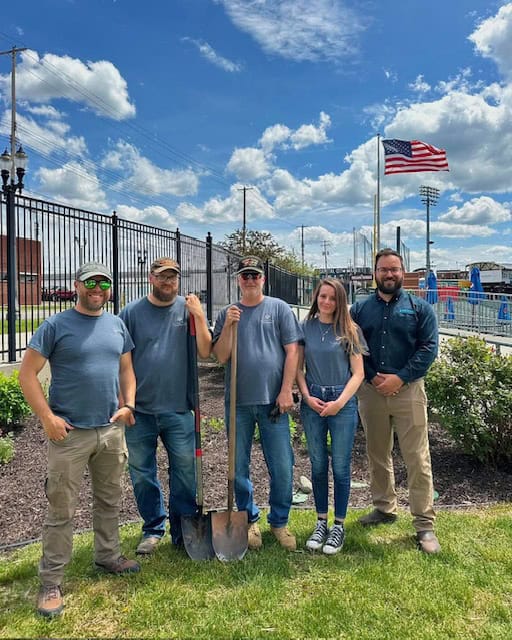
At the VFW National Home, healing doesn’t always look like what people expect. Sometimes, it looks like hands in the soil, seeds planted with intention, and a community growing together—one harvest at a time. That’s the heart of the Veteran Regenerative Agriculture Demonstration (VRAD) Program.
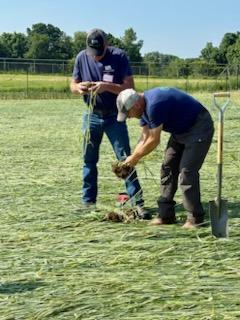
VRAD is more than a farming initiative. It’s a yearlong, immersive experience designed to empower veterans and veteran family members through regenerative agriculture, education, and entrepreneurship. Participants learn how to care for the land while rediscovering their own strengths, confidence, and sense of purpose.
During the 2024–2025 program year, three participants completed the first full cycle of VRAD, engaging in intensive crop production using regenerative practices. The farm itself became a living classroom—one where participants explored soil health, sustainability, business planning, and community service through hands-on learning. They completed individual capstone projects, managed shared demonstrations, and earned certifications in conservation, sustainability, and food safety.

But the true impact of VRAD goes far beyond numbers—though those numbers are impressive. Participants donated more than 2,200 pounds of fresh produce to National Home residents and local food pantries. They grew flowers that became bouquets for residents, staff, and community partners. They raised pasture-raised chickens used in farm-to-table meals shared with residents, staff, and board members. In total, the value of food and products grown through VRAD exceeded $14,000—each item a tangible expression of service, care, and connection.
Equally powerful is the sense of community the program creates. Participants work side by side, attend trainings together, and even involve their families in the process. Children help on the farm. Neighbors attend events. The farm becomes a place where learning, service, and belonging intersect.
For Shawna, a VRAD participant, the experience was nothing short of life-changing.
“Coming into the program as a stay-at-home mother for over ten years was intimidating,” she shared. “I believed the only things I was really ‘good at’ were homemaking and mom-life.” Through VRAD, Shawna discovered something new—not just about agriculture, but about herself.
“I can now proudly and confidently say: I am capable of more. I am capable of learning new things. A different type of work, valuable work—work that contributes to the future and holds purpose beyond myself.”

That sense of purpose is deeply rooted in the land itself. Regenerative agriculture teaches participants to listen to the soil, restore ecosystems, and think long-term—lessons that mirror the personal growth happening alongside each planting season. As Shawna reflected, “I dug in deep. And in that earth, I found my worth.”
VRAD also connects participants to education beyond the farm. Several members are enrolled at Cleary University through the First Responders Program, pursuing degrees in business and project management. By combining classroom learning with real-world application on the farm, participants gain practical skills they can carry into future careers.

At its core, VRAD is about healing—healing the land, strengthening families, and helping veterans rediscover confidence, community, and direction. It’s about showing participants that they are capable, valued, and never alone.
Programs like VRAD are only possible because of the generosity of donors and supporters who believe in innovative, meaningful ways to serve veterans and their families. Because of you, lives are being changed, land is being restored, and futures are being rebuilt—one season at a time.
If you would like to help support the VRAD Program and others like it at the VFW National Home, please consider making a donation today: Donate – VFW National Home
Together, we are growing hope.